

You can give invoices to customers with a delivered product or after a certain number of days following a sale. The invoice lists the amount of goods ordered and shipped along with the cash discount period and other terms of sale. The retailer’s accounting department then issues a payment to the manufacturer and includes a copy of the invoice, so the manufacturer can Accounting Errors apply the payment to the proper purchase account. Invoices are critical documents for financial reporting and accounting standards.
Eliminate late invoice payments with GoCardless

Microsoft Word offers customizable invoice templates that can be easily used. A common way of assigning the invoice number is by stating the number of the year the invoice is being issued. Another way is by adding a project’s name separated by a hyphen next to the sequential number, that way it stays clear and organized. Assigning a sequential number ensures that each invoice has a unique number, eliminates duplication and keeps your records organized. The ID can contain only numbers or be a combination balance sheet of numbers, letters and special characters.

common types of invoices
- Invoices sent manually are often stored in physical warehouses for future reference.
- This feature saves time and ensures that clients are billed accurately and on schedule.
- You may find that some suppliers will require cash on delivery, while on the other hand, there may be suppliers who offer discounts in return for early payments.
- It’s not just about managing invoices; it’s about transforming your finance team into strategic powerhouses.
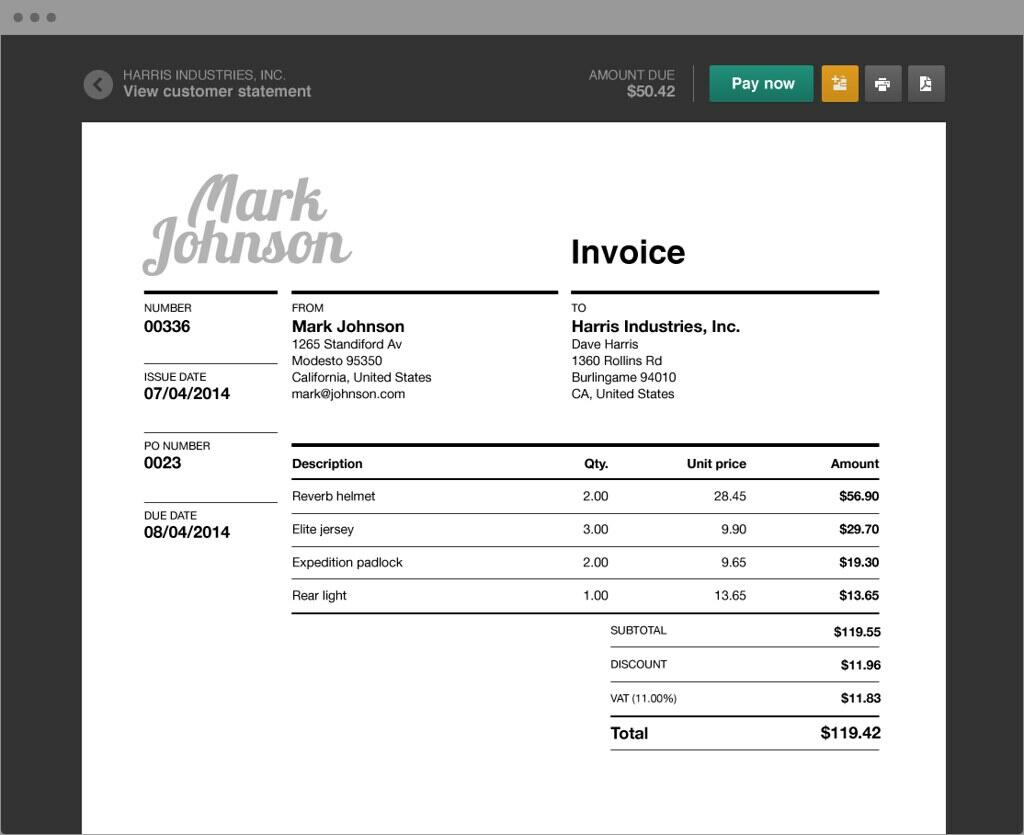
- An invoice is an itemized document sent to a buyer once a seller has completed the agreed project or product.
- In ancient times, tally sticks were used to keep track of numbers, quantities, and messages for financial and legal purposes.
Invoice software can greatly enhance and simplify the invoicing process, offering numerous features and benefits for businesses of all sizes. Businesses utilize various types of invoices to cater to different needs and situations. Understanding these types can help in choosing the right one for specific transactions. Invoices offer valuable data that can be analyzed to gain insights into business performance. By reviewing invoice data, businesses can identify sales trends, understand customer purchasing behavior, and make informed decisions to improve operations and strategy.
- When you eat at a restaurant, you are given a bill outlining your order at a high level, providing a total due, and expecting you to pay the full amount before you leave.
- An invoicing software takes care of your invoices; you never have to re-enter your data every time you wish to issue an invoice.
- Companies that sell recurring services, such as subscription packages or gym memberships that renew monthly, typically use recurring invoices to collect payment.
- Consider the types of invoices you use regularly, the products or services you offer, and how you want your brand to be represented.
Stone invoices
They can also be a more regular way to collect payment for larger purchases of goods, which may or may not also incur interest charges. Some projects have a large scope or prolonged engagement period that warrants using multiple invoices rather than a single-encompassing one. For these, companies will use interim invoices, or intermediate invoices, based on an agreed-upon payment schedule. You’ll want to include these essential elements in your invoice as you request payment for your own goods and services.
- Invoicing software should be able to integrate with other accounting software that you use and allow for further automation of your payment collections and accounting process.
- Invoices, bills and receipts are similar and different at the same time.
- For example, you may have undercharged a customer, the project scope may have changed, or you provided additional hours on a project after sending an invoice.
- Invoices make key information quickly accessible by including the invoice date, the amount owed, and whether the customer has an outstanding balance or completed payment.
- However, they do contain proof that a business and its customer have agreed on terms of payment in the exchange of goods or services.
Invoices sent as digital documents can often be more quickly processed and more easily tracked. Since delivery times are cut down through the use of electronic invoicing, most companies also experience faster payment and improved cash flow. Businesses estimate vs invoice primarily exist to generate economic growth through the provision of goods or services to other companies, vendors, and consumers.
- An invoice is defined as a formal document issued by a seller to a buyer, requesting payment for goods or services provided.
- These formal documents outline inclusions, costs, quantities, and taxes and are issued once the terms of an agreement have been met.
- Mobile invoicing offers automation, enhanced security, and the ability to generate and pay GST invoices instantly, making it incredibly convenient for businesses.
- Invoices can also serve as legal records, if they contain the names of the seller and client, description and price of goods or services, and the terms of payment.
- There is a high chance of invoices getting lost and not being delivered to the right address.
- Both invoices and bills are records of a sale that indicate how much a customer owes a seller, and both are issued before a customer has made payment for the transaction.
- Businesses use invoices to ensure they receive timely payments in full.